7 Vet-Approved Health Habits Every Pet Owner Should Know
By Team · August 25, 2026
Category: grooming-hygiene

These seven vet-approved health habits cover the daily and weekly routines that catch problems early, prevent expensive treatment, and keep your pet genuinely healthy for the long term.
Key takeaways
The problem Pet owners often wait until something is visibly wrong before acting, which turns small, manageable issues into expensive and painful ones.
Core insight Seven simple, consistent habits - coat checks, ear care, dental brushing, nail trimming, weight monitoring, parasite prevention, and annual vet visits - catch most health problems before they become serious.
Practical outcome A reader can start building these routines into their week, knowing exactly what to look for and when to call the vet.
You notice your dog's coat has lost its shine over the past few months. His breath has started to clear the room. You've been meaning to book a vet appointment but he seems fine, more or less, so you keep pushing it back. Then the ear infection hits, and suddenly you're at the clinic on a Tuesday afternoon paying for something that probably started quietly weeks ago.
That's how reactive pet care works. Something gets bad enough to force your hand, and by then it costs more - in money, in stress, and sometimes in your pet's comfort and health - than it would have if you'd caught it early. These seven habits exist to close that gap. They're not glamorous, and none of them require special equipment or a deep knowledge of veterinary medicine. What they require is consistency. Done regularly, they catch most problems before those problems become serious.
Habit 1: Weekly Coat and Skin Checks
This takes about five minutes, and you can do it while your dog or cat is relaxed on the couch next to you. Run your hands slowly along their body - neck, shoulders, back, sides, belly, legs, base of the tail. You're not just petting them. You're feeling for anything that shouldn't be there: lumps, thickened patches, tender spots that make them flinch, or areas where the fur feels matted or damp underneath.
Part the fur and look at the skin itself. Healthy skin is pale and clean - not red, not flaky, not greasy, and not covered in small black specks (which are flea droppings). If you find a lump, note where it is and how big it is. Most lumps are benign, but a vet should assess any new growth, especially one that changes quickly.
The reason this matters is simple: a skin infection caught early is a topical treatment and a week of monitoring. A skin infection that's been quietly spreading for two months is a course of oral antibiotics, a shaved patch, and a follow-up visit. Tumors found small and early are often removable. Found late, they're often not. A weekly hands-on check is the cheapest diagnostic tool you have.
Habit 2: Ear Inspections and Cleaning
Healthy ears look clean and light pink inside. They don't smell. Your pet doesn't shake their head repeatedly or scratch at them. That's your baseline.
What you're watching for: dark brown or black waxy buildup, a yeasty or sour smell, redness inside the ear canal, or any sign of pain when you touch near the ear. These are early-warning signs. If your pet is shaking their head several times a day or rubbing their ear on furniture, you're already past the inspection stage - that's a vet call.
The mechanism behind ear infections is straightforward. Wax and debris build up in the canal. Bacteria or yeast - which live normally in small numbers on your pet's skin - find a warm, moist, nutrient-rich environment and multiply. The result is a painful infection that usually requires prescription ear drops and sometimes oral medication. Left longer, it can damage the eardrum.
For routine cleaning, use a vet-approved ear cleaning solution - not water, not hydrogen peroxide, not cotton swabs pushed into the canal. Squeeze a small amount into the ear, gently massage the base of the ear for about 20 seconds (you'll hear a squelching sound), then let your pet shake their head. Wipe the visible part of the ear with a cotton ball. That's it. Do it once a week, or more often for dogs with floppy ears or a history of ear problems. It's not medical. It's maintenance.
Habit 3: Dental Care
Most pet owners don't brush their pet's teeth. Most pets end up needing a professional dental cleaning under general anesthesia by the time they're seven years old. Those two facts are related.
The cascade goes like this: plaque - that soft, sticky film - accumulates on the teeth daily. If it isn't removed, it hardens into tartar within days. Tartar irritates the gumline. The gums pull back. Bacteria get into the tissue and eventually into the bloodstream, where they can affect the kidneys, liver, and heart. Tooth loss follows. By the time you notice your pet has bad breath, gum disease is likely already underway.
A professional dental cleaning costs several hundred dollars and carries the small but real risks of anesthesia. Daily brushing costs almost nothing once you have a pet-safe toothbrush and enzymatic toothpaste - never use human toothpaste, which contains fluoride and xylitol, both toxic to pets. Enzymatic toothpastes are designed to work even without perfect mechanical scrubbing, which matters because most pets won't sit still for a thorough job.
Start slow. Let your pet taste the toothpaste from your finger for a few days. Then introduce the brush without much pressure. Work up to 30 seconds per side, three times a week at minimum, daily if you can. Your pet will resist at first. That's normal. Most pets tolerate it within a few weeks once it becomes routine. The payoff - avoided anesthesia, avoided tooth loss, avoided systemic infection - is significant.
Habit 4: Nail Trimming
Overgrown nails don't just look untidy. When a nail grows too long, it changes the angle at which the toe sits against the ground. The foot rolls slightly to compensate. Over weeks and months, that altered posture puts abnormal stress on the paw, the wrist, and the shoulder. You end up with a dog who's limping not because of an injury but because their nails have been too long for six months and the joints have been quietly absorbing the consequences.
For most pets, nails need trimming every three to four weeks. The trigger you can hear: clicking on hard floors. If you can hear your dog's nails on the kitchen tiles, they're already overdue. Don't wait until they curl or until your pet starts favoring a leg.
The anxiety most owners have around nail trimming is about the quick - the blood vessel and nerve that runs through the center of the nail. Cutting it hurts and bleeds. In dark nails, it's hard to see. That concern is legitimate, and if home trimming genuinely stresses you out, booking a groomer or vet tech every four weeks is a completely reasonable solution. It's inexpensive and eliminates the risk entirely. If you do trim at home, cut small amounts at a time, use sharp nail clippers designed for pets, and keep styptic powder nearby in case you nick the quick. It happens, it looks alarming, and it stops bleeding quickly with direct pressure.
Habit 5: Weight Monitoring
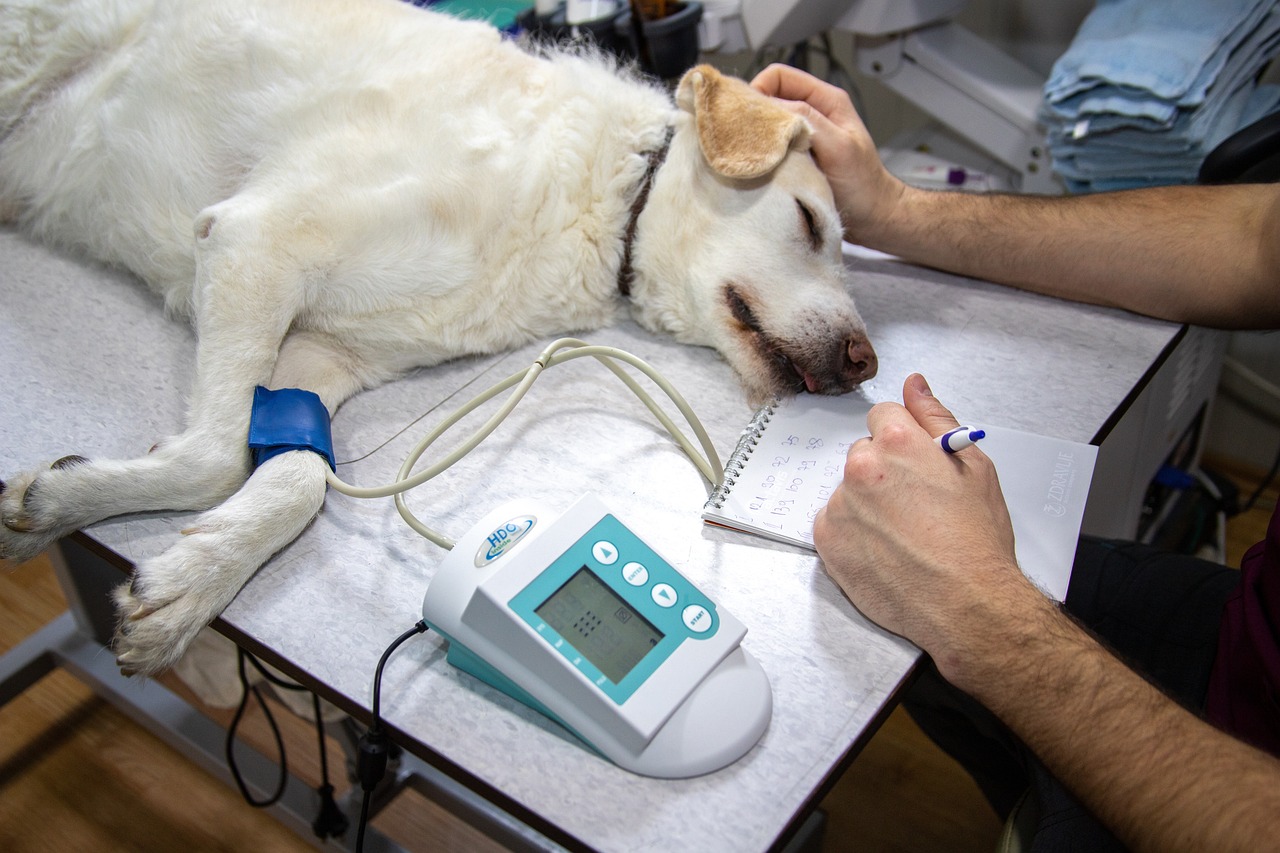
Extra weight in pets compounds the way it does in people, except faster and with less room for error. The pathway is direct: excess body fat increases stress on every joint, forces the heart and lungs to work harder, disrupts insulin regulation, and accelerates the deterioration of cartilage. An overweight cat is significantly more likely to develop diabetes and hepatic lipidosis. An overweight dog develops arthritis earlier, often by several years.
You don't need a scale at home. Most vet clinics and many pet stores have floor scales you can use for free. Weigh your pet once a month. Write it down. Compare it to the ideal weight range for their breed and size - your vet can tell you the target number at your next visit. A two-pound gain in a ten-pound cat is a 20% increase in body weight. That's the equivalent of a significant amount of extra weight on a human frame, and it happened quietly.
The harder part of this habit is the emotional one. Many owners use food as the primary way they express care for their pet. Cutting back on treats or reducing portion size can feel unkind, especially when your pet is standing in the kitchen looking expectant. The reframe that actually helps: a pet at a healthy weight moves more easily, has less pain, and lives longer. Consistent weight is evidence of good care, not deprivation. If your pet is gaining weight despite appropriate portions, talk to your vet - there are medical causes worth ruling out.
Habit 6: Parasite Prevention
One flea can become thousands within a few weeks. Fleas reproduce fast - a single female can lay up to 50 eggs per day - and the eggs fall off your pet and into your carpet, your furniture, and your pet's bedding. By the time you see fleas on your pet, the infestation in your home is already significant. Then come the secondary problems: flea allergy dermatitis, tapeworms from ingesting fleas during grooming, and in severe cases, anemia in young or small animals.
External parasites - fleas, ticks, mites - and internal parasites - roundworms, hookworms, heartworm - require different preventives, but the principle is the same. Prevention stops infection before it starts. Treatment fights an active infestation after the damage is already underway. Monthly or quarterly preventives (depending on the product your vet recommends) cost a fraction of what treatment costs, and they spare your pet the discomfort of an active infestation.
Some owners skip prevention when they don't see a problem. That logic works right up until the month it doesn't. Indoor pets are not automatically safe - fleas hitchhike on clothing and shoes, and mosquitoes carrying heartworm larvae come through open windows. The case for year-round prevention is consistent and clear. Talk to your vet about which products are appropriate for your pet's species, size, and lifestyle. Not all parasite preventives are safe for cats, and some dog products are toxic to cats - this is one area where following the label and your vet's guidance matters.
Habit 7: Annual Vet Visits

A wellness visit isn't just a checkup. The vet is examining things you have no way to assess on your own: the heart rate and rhythm, lung sounds, lymph node size, the texture of the abdomen, the condition of the teeth under magnification, the eyes and their pressure, the neurological reflexes. A dog who seems perfectly healthy to you might have a heart murmur that's been developing for six months. A cat who's eating and playing normally might have early kidney disease that shows up in bloodwork before it causes any symptoms you'd notice.
The cost objection is real - vet care is expensive, and annual visits add up. But the math consistently favors prevention. A wellness visit costs a fraction of emergency care. Bloodwork that catches kidney disease early means dietary management and monitoring. The same disease caught at an advanced stage means hospitalization, IV fluids, and a significantly shortened prognosis. The annual visit is not optional care for a healthy pet. It's how you know your pet is actually healthy.
One visit per year also gives your vet a baseline. They know what your pet's normal looks like. When something shifts - a subtle change in weight, a lymph node that's slightly larger than last year, a heart sound that wasn't there before - they can catch it because they have a reference point. You can't provide that context at an emergency visit with a vet who's never seen your animal before.
If cost is a barrier, many clinics offer wellness plans that spread the cost across monthly payments. Some humane societies and community organizations run low-cost wellness clinics periodically. The logistics are worth figuring out. Annual vet care is the one habit on this list that no amount of home monitoring can replace.
Frequently Asked Questions
How often should I do a coat and skin check on my pet?
Once a week is the right frequency for most pets. Make it part of a regular routine - during a quiet evening when your pet is relaxed is ideal. You're looking for lumps, red or flaky skin, damp or matted patches, or signs of fleas like small black specks at the base of the fur. Five minutes is enough if you're thorough and consistent.
Is it really necessary to brush my pet's teeth at home?
Yes, and the reason is practical rather than cosmetic. Plaque hardens into tartar within days if it isn't removed, and tartar leads to gum disease, tooth loss, and bacterial infection that can affect internal organs. Professional dental cleanings under anesthesia are costly and carry risk. Daily or three-times-weekly brushing with a pet-safe enzymatic toothpaste is the most effective way to prevent that cascade. It takes two minutes once your pet gets used to it.
What are the signs that my pet's nails are too long?
The most reliable sign is audible: if you can hear your pet's nails clicking on hard floors, they're due for a trim. Visually, nails that curve and approach the paw pad are overdue. In dogs, you may also notice a change in gait or reluctance to walk on hard surfaces. Most pets need trimming every three to four weeks, regardless of whether the nails look obviously long.
Do indoor-only pets need parasite prevention?
Yes. Fleas can enter a home on human clothing and shoes. Mosquitoes carrying heartworm larvae come through open windows and doors. Ticks can be carried in on fabric or other animals. Indoor pets have a lower exposure risk than outdoor pets, but they are not at zero risk. Year-round prevention is still the standard recommendation for both dogs and cats - talk to your vet about which products are appropriate, as some formulas safe for dogs are toxic to cats.
How do I know if my pet is at a healthy weight?
The easiest method is a rib check: you should be able to feel your pet's ribs