Essential Dog Health Tips: Prevention Over Crisis
By Maren Calloway · May 24, 2026
Category: grooming-hygiene
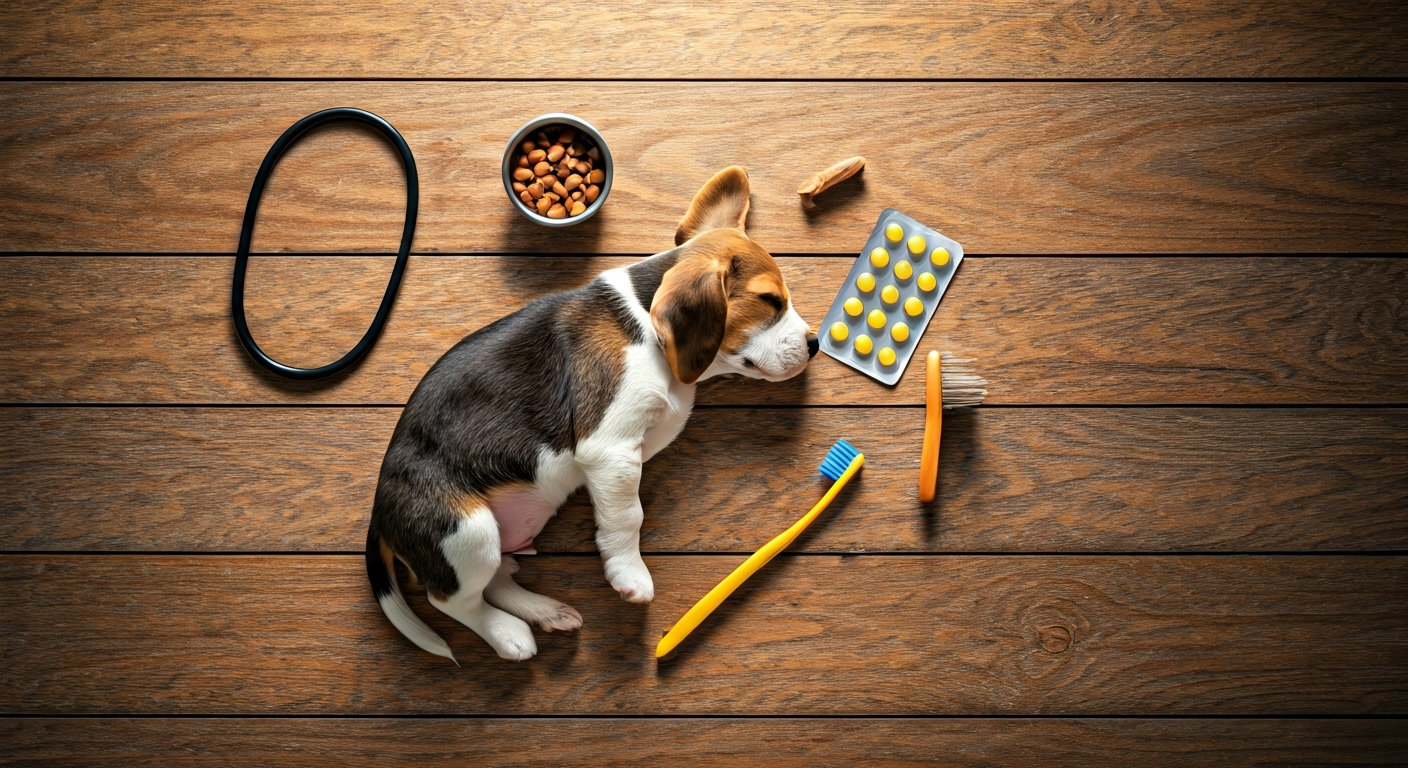
Preventing common health problems in dogs is easier and cheaper than treating them after the fact - here's what actually matters.
Key takeaways
The problem Dogs hide illness well, so owners often miss health problems until they become expensive emergencies.
Core insight Consistent preventive habits - checkups, dental care, parasite prevention - catch problems early when they are easier to treat.
Practical outcome You can build a simple monthly home-check routine and know exactly which symptoms should prompt a same-day vet call.
Most dogs are remarkably good at hiding when something is wrong. By the time you notice a limp, a change in appetite, or a coat that's lost its shine, the problem has often been building quietly for weeks. That gap between what's happening inside your dog and what you can see is exactly why dog health tips focused on prevention matter so much more than people expect.
Preventive care isn't glamorous. It doesn't make for a dramatic story the way an emergency vet visit does. But it's the thing that keeps emergency vet visits from happening in the first place - or at least makes them less frequent. This guide covers what preventive care actually looks like in practice, how to recognize when your dog's body is trying to tell you something, and what to do when home monitoring isn't enough.
What Preventive Dog Health Care Really Means
Preventive care is the practice of maintaining your dog's health before problems take hold, rather than treating illness after it arrives. It covers everything from routine vet checkups and vaccinations to the small daily habits that most people don't think of as "medical" at all - things like what you feed, how much exercise your dog gets, and whether you're checking their teeth and ears on a regular basis.
The core idea is that many of the most common and costly health problems in dogs - dental disease, obesity, parasites, certain infections - are either preventable or far easier to manage when caught early. A dog who sees the vet once a year for a wellness exam is giving you and your vet the chance to spot a small lump, a slightly elevated kidney value, or early signs of joint stiffness before any of those things become a crisis.
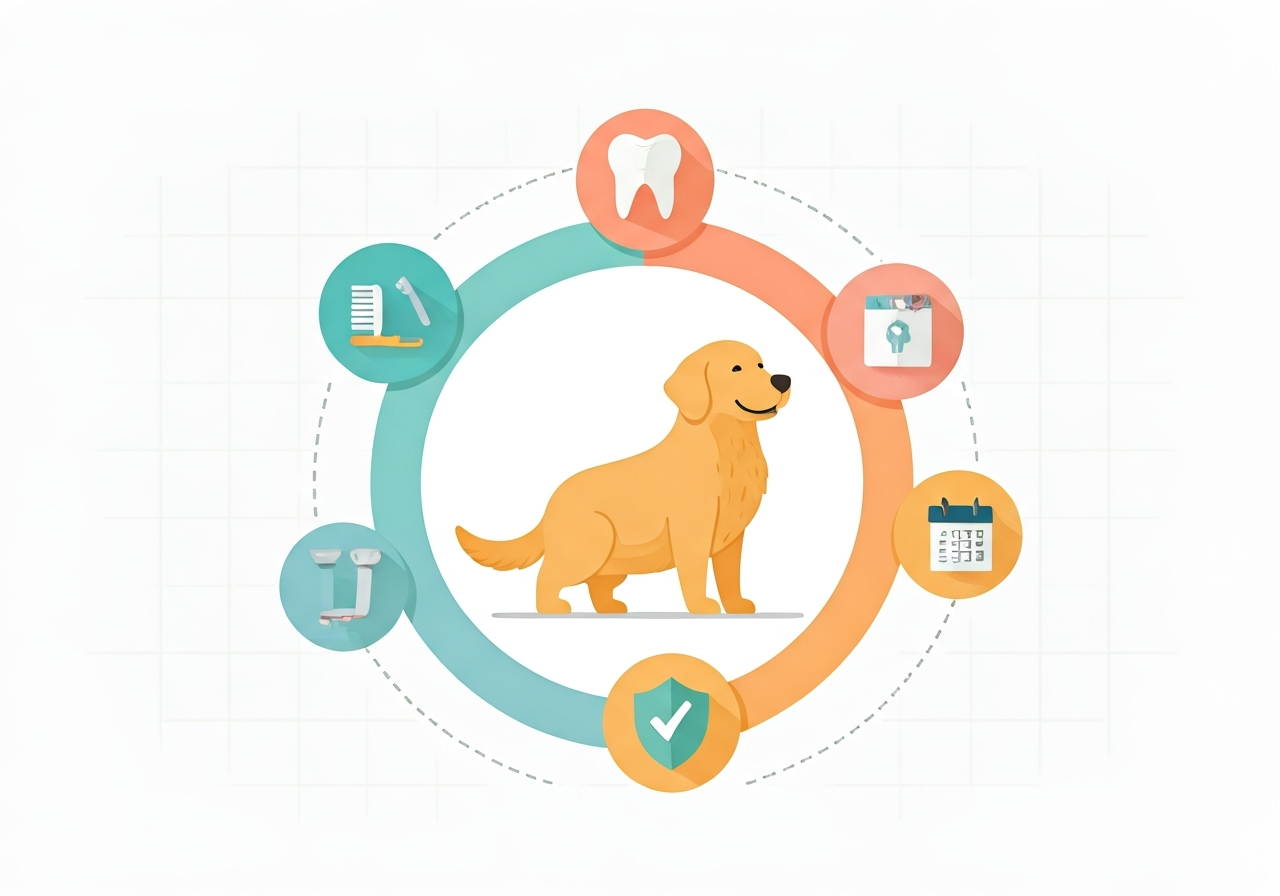
It also means building a baseline. Your vet can only tell you that something has changed if they have a record of what normal looks like for your particular dog. That's not something you can establish in a single visit - it builds over time.
Signs Your Dog May Be Telling You Something Is Off
Dogs don't complain the way people do. What they do instead is shift their behavior in small, easy-to-miss ways. Learning to read those shifts is one of the most practical dog health skills you can develop.
Changes in appetite are worth paying attention to — not just a dog who stops eating entirely, but one who's eating noticeably less or seems less enthusiastic about meals than usual. Maybe your dog used to finish their bowl in minutes and now leaves kibble behind, or they pick at their food and walk away. These shifts matter. The same goes for water intake. A dog who suddenly starts draining the water bowl multiple times a day, or who seems unusually thirsty over several days, deserves a conversation with your vet. Increased thirst paired with decreased appetite can point to everything from diabetes to kidney issues, while loss of appetite alone might signal dental pain, digestive upset, or something more serious. Even modest changes — a 10 to 15 percent reduction in what your dog normally eats — warrant attention, especially if it's not something you've intentionally adjusted. The key is knowing your dog's baseline. If you notice the shift is genuine and sustained, rather than a one-off picky day, don't wait. These are exactly the kinds of early signals that preventive care is built to catch.
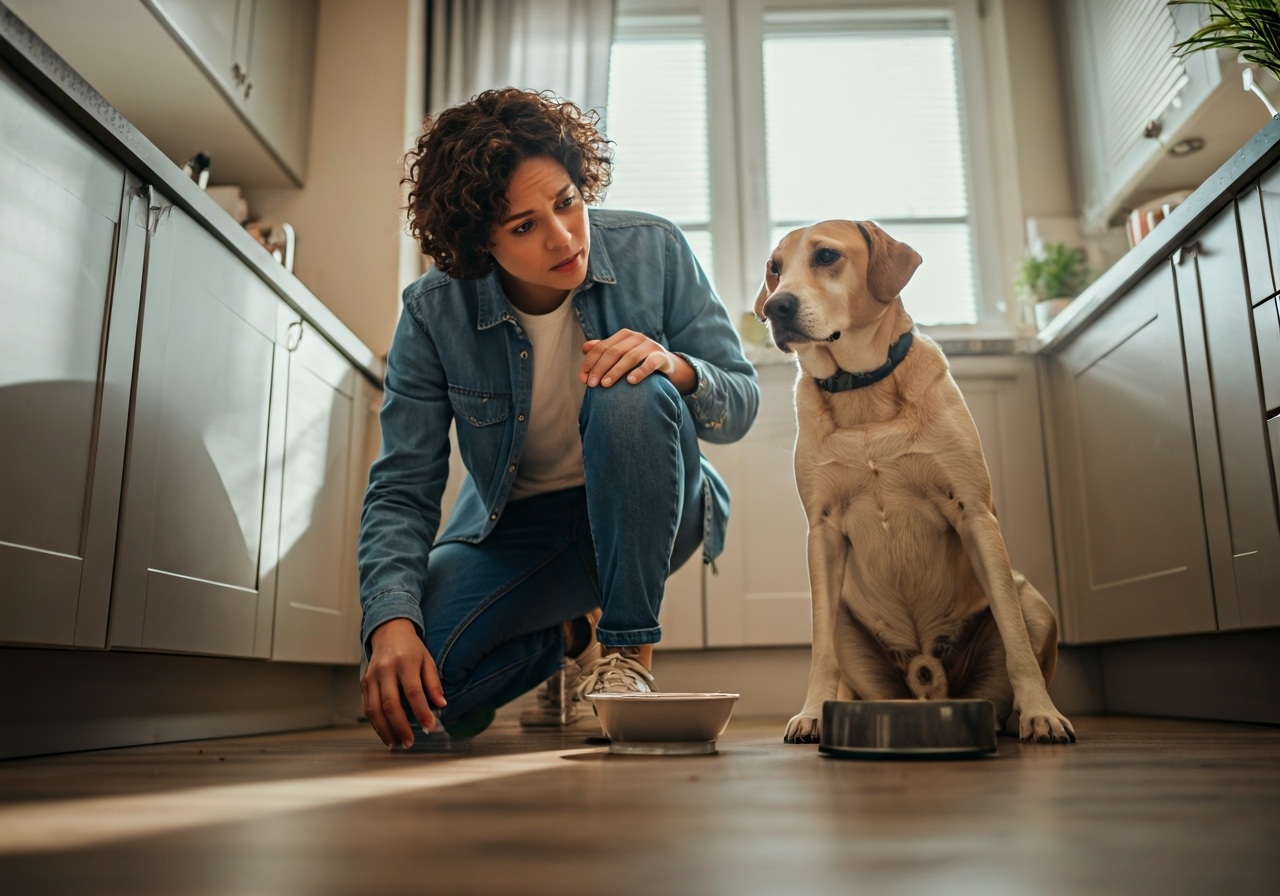
Watch for changes in energy, too. A dog who's slowing down on walks, reluctant to climb stairs, or less interested in play isn't necessarily just getting older. That kind of gradual shift can signal pain, early arthritis, heart issues, or any number of conditions that respond better to early treatment.
Other signs that shouldn't be brushed off:
Persistent scratching, hair loss, or skin that looks red or inflamed
Changes in bathroom habits - straining, increased frequency, blood in stool or urine
Bad breath that seems worse than usual, which can indicate dental disease or kidney problems
Eyes that are cloudy, red, or producing more discharge than normal
Any lump or bump that appears suddenly or grows over time
None of these automatically means something serious. But they're worth noting, and worth mentioning at your next appointment - or sooner, if they're accompanied by other symptoms.
Why Prevention Gets Neglected
It's not laziness. It's usually a combination of things that are very human and very understandable.
Dogs are often stoic enough that owners genuinely don't realize anything is wrong until it becomes obvious. If your dog is eating, playing, and seemingly happy, it's easy to assume everything is fine - and often it is. The problem is that the absence of visible symptoms isn't the same as the absence of a health issue.
Cost is another real factor. Veterinary care is expensive, and skipping a wellness visit when your dog seems healthy can feel like a reasonable financial decision. The painful irony is that preventive care tends to cost significantly less than treating conditions that have been allowed to progress. A dental cleaning is a fraction of the cost of extractions. A flea prevention product costs far less than treating a full flea infestation and the skin infections that often follow.
There's also the issue of time. Life gets busy. Annual reminders get missed. Before you know it, three years have passed since your dog's last checkup. It happens in a lot of households, and there's no point in feeling guilty about it - the more useful response is just to schedule the appointment now.
How Preventive Care Differs From Reactive Care
Reactive care - responding to illness or injury after it's already happening - is necessary, and your vet is trained for it. But it operates under different conditions than preventive care does. When you arrive at the emergency clinic at midnight with a dog who's been vomiting for six hours, the priority is stabilization. There's no time for the kind of thorough, unhurried assessment that a wellness visit allows.
Preventive care happens while your dog is well. That means your vet can look at the whole picture - weight trends, bloodwork values over time, coat condition, dental health, behavioral notes - and have a real conversation with you about what to watch for. It's a fundamentally different kind of medicine, and the two aren't interchangeable.
Think of it this way: reactive care is for when the roof is leaking. Preventive care is the annual inspection that finds the cracked flashing before the water ever gets in. Both are part of responsible ownership, but one costs far more - financially and emotionally - than the other.
How to Build Preventive Dog Health Into Your Routine
The most effective preventive care habits are the ones that don't feel like extra work because they've become part of how you interact with your dog every day.
Start with a monthly home check. Run your hands over your dog's whole body - along the spine, under the legs, across the belly. You're feeling for lumps, tender spots, swelling, or any area your dog seems unwilling to let you touch. It takes maybe five minutes, and it's the kind of thing that has caught early tumors in dogs whose owners otherwise would have had no reason to look.
Dental hygiene deserves more attention than most dogs get. Dental disease is extremely common in dogs and contributes to broader health problems over time. Daily brushing with a dog-safe toothpaste is the gold standard, but if that's not realistic for your dog's temperament or your schedule, dental chews, water additives, and regular professional cleanings can help fill the gap.
Keep parasite prevention consistent year-round. Fleas, ticks, and heartworm don't follow a strict seasonal schedule in many parts of the country, and lapses in coverage are how infestations and infections take hold. Talk to your vet about the right products for your region and your dog's lifestyle.
Feed an appropriate diet for your dog's age, size, and health status - and resist the pressure to overfeed. Obesity in dogs is one of the most preventable contributors to joint problems, diabetes, heart disease, and shortened lifespan. It's also one of the most common things vets see. Your vet can tell you whether your dog is at a healthy weight and suggest adjustments if needed.

Finally, keep records. Vaccination dates, medication history, previous diagnoses, what your dog weighed at each visit - this information is more useful than it sounds, especially if you ever need to see a specialist or switch vets.
When Home Monitoring Isn't Enough
There are situations where waiting to see if something resolves on its own is the wrong call. If your dog is experiencing any of the following, contact your vet rather than watching and waiting.
Vomiting or diarrhea that lasts more than 24 hours, or that's accompanied by lethargy or blood, needs professional attention. The same is true for labored breathing, an abdomen that looks or feels distended, obvious pain when touched or when moving, seizures, collapse, or sudden disorientation. A dog who has eaten something potentially toxic - chocolate, xylitol, certain plants, medications - should be seen immediately, even if symptoms haven't appeared yet.
It's also worth calling your vet when something just feels off and you can't explain it. You know your dog better than anyone. If your gut is telling you something isn't right, that instinct is worth a phone call. Good vets would rather you call and have it be nothing than stay home and miss something.
Regular wellness exams - typically once a year for healthy adult dogs, more frequently for puppies and senior dogs - are the backbone of everything else. No amount of at-home monitoring replaces hands-on assessment and bloodwork from someone who knows what they're looking at.
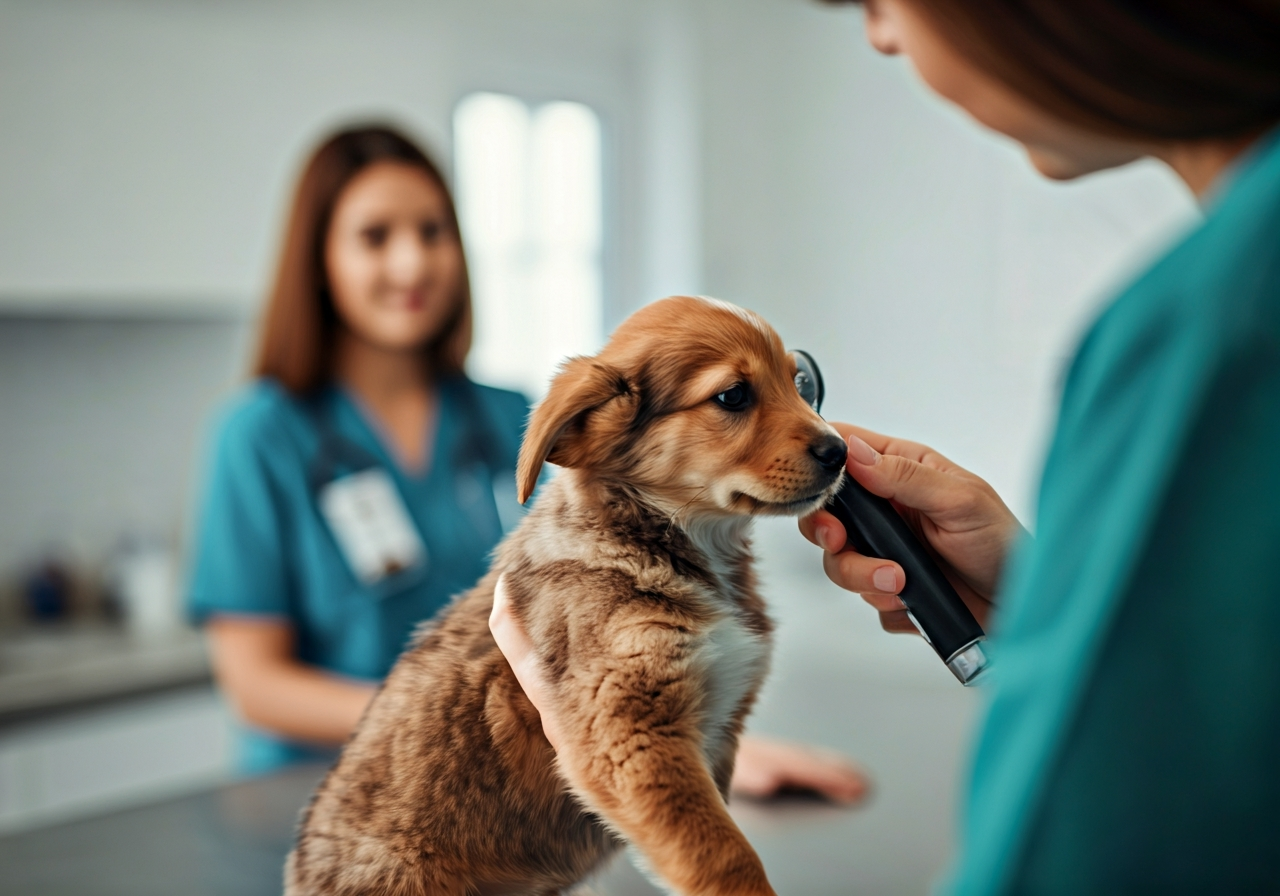
The goal of all of this isn't to turn dog ownership into a constant anxiety exercise. It's the opposite. When you're doing the basic preventive work consistently, you can enjoy your dog without that low-level worry humming in the background. You've done what you can. The rest is just living alongside them - which is the whole point.