Indoor Cat Enrichment: Keep Your Cat Happy and Active
By Team · July 7, 2026
Category: adoption-bringing-home
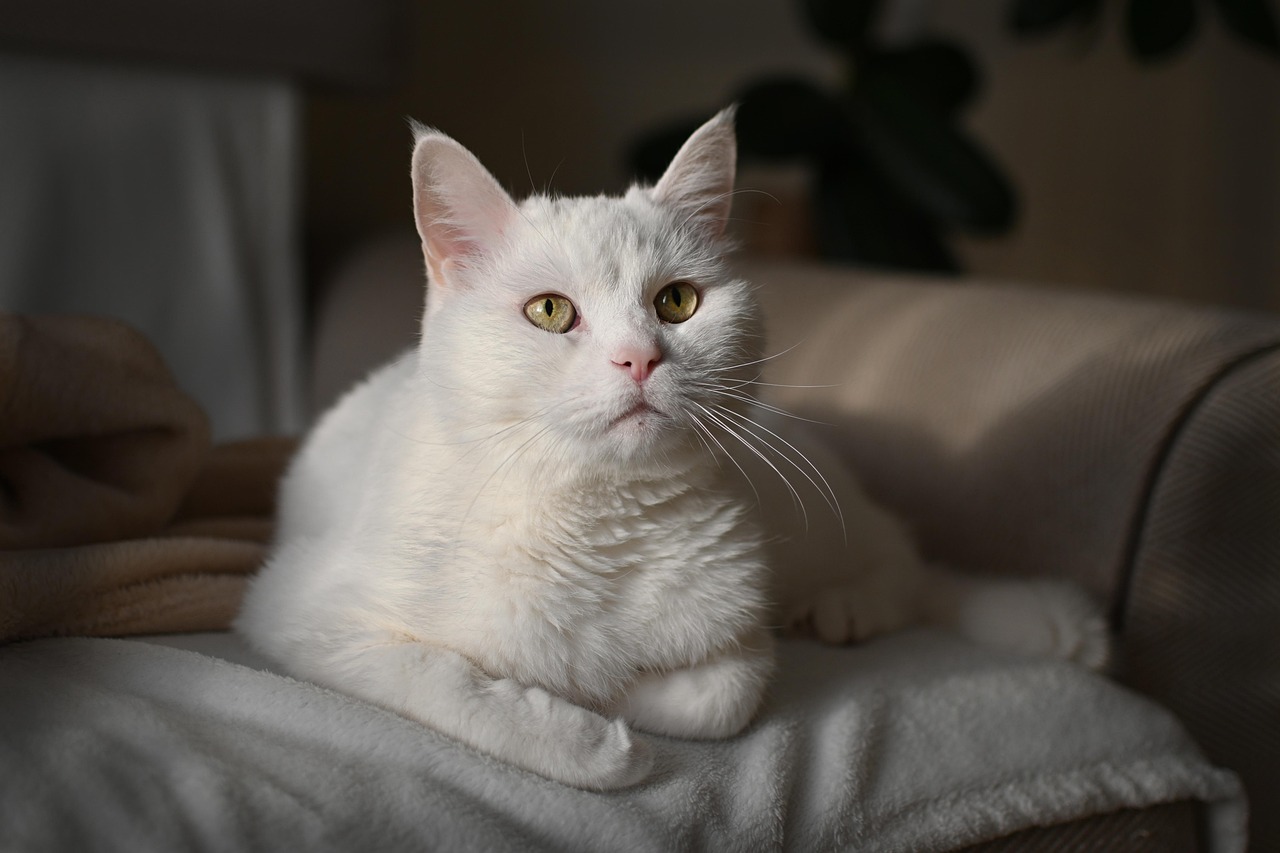
Indoor cat enrichment ideas that actually work - because bored cats don't just nap, they redecorate your sofa.
Key takeaways
The problem Indoor cats are small predators living in environments that offer almost none of what evolution built them for, leading to boredom, stress, and destructive behavior.
Core insight Two daily play sessions, vertical space, window access, and a predictable routine do more to keep a cat mentally and physically healthy than expensive toys or elaborate setups.
Practical outcome You can build a simple, consistent enrichment routine using what you already have - rotating toys, cardboard boxes, window perches, and dedicated playtime - that genuinely changes your cat's quality of life.
Indoor cat enrichment ideas fill countless Pinterest boards and pet store shelves, but most of what's written about them skips the honest part: your cat is a small predator living in an environment that offers almost none of what evolution built them for. That gap is real, and it has consequences. The good news is that fixing it doesn't require a massive budget or a redesigned apartment - it requires understanding what your cat actually needs and making a few consistent changes.
Why Indoor Cats Need Enrichment

An outdoor cat's day looks nothing like an indoor cat's day. Outside, cats hunt multiple times, patrol a territory that might cover several acres, climb trees, respond to weather shifts, track smells left by other animals, and hide in grass or under shrubs. Their brains and bodies are running almost constantly.
An indoor cat gets a bedroom. Sometimes two.
That contrast isn't a reason to feel guilty - it's a reason to act practically. When a cat's natural drive to hunt, explore, and patrol has nowhere to go, that energy finds an outlet. Boredom leads to frustration, and frustration leads to behavior you probably recognize: the sofa gets shredded, the water glass gets knocked off the counter, the cat grooms a bald patch into their belly. These aren't personality flaws. They're the predictable result of a brain with nothing to do.
Take a cat like a two-year-old domestic shorthair left alone in a one-bedroom apartment for eight hours. No toys rotated in, no vertical space, no window access. By late afternoon, that cat isn't relaxing - they're scanning for anything that moves, batting at cords, or over-grooming out of stress. The owner comes home to claw marks on the couch and doesn't connect it to boredom because the cat seems "fine."
Enrichment interrupts that chain before it starts. It also has real health implications: chronic stress in cats has been linked to issues like feline idiopathic cystitis (bladder inflammation with no infection), upper respiratory flare-ups in cats prone to herpesvirus, and digestive upset. A calmer cat is genuinely a healthier cat.
There's also a relationship payoff worth naming. Cats that are mentally and physically engaged tend to be more confident, less anxious, and more interested in their owners. A bored, frustrated cat often becomes withdrawn or hyperactive in ways that make interaction feel unrewarding. An enriched cat is simply easier to live with - and more likely to actually enjoy your company.
Play and Movement - The Foundation of Cat Enrichment
The clearest, most immediate thing you can do for an indoor cat is build two dedicated play sessions into each day - one in the morning, one in the evening. Aim for 10 to 15 minutes each. This pattern mirrors a cat's natural hunt-rest-hunt rhythm, and it matters more than most owners realize.
A cat that hasn't had a real play session is carrying unspent predatory energy. That energy comes out somewhere - often as aggression toward ankles, excessive vocalization at night, or destructive behavior during the hours you're trying to work. Two short sessions don't take much time, and they do more to shift a cat's baseline mood than almost any other single change.
Interactive play - wand toys, feather chasers, anything you control - is the highest-value form of play because it involves you. When you drag a wand toy slowly across the floor and your cat flattens into a stalk before pouncing, they're completing a hunt sequence: spot, stalk, chase, catch. That completion matters. It satisfies something deep. Letting your cat actually catch the toy at the end of a session, rather than always pulling it away, makes the experience feel successful rather than perpetually frustrating.
Solo play toys - small balls, mice, crinkle toys, foil balls - have their place when you're not available, but they lose their appeal fast. Cats habituate to static objects quickly. The fix is simple and free: rotate toys on a weekly cycle. Keep four or five active toys accessible, and swap two or three others in and out from a bag or box. A toy your cat ignored two weeks ago often gets a fresh investigation when it reappears.
Pay attention to what your cat actually engages with. Some cats are obsessed with wand toys and ignore everything else. Others stalk a crinkle ball for twenty minutes but won't look at a feather. There's no universal best toy - there's just your cat's preference, which you discover by watching.
Environmental Enrichment - Making Your Space Work Harder
Play matters, but what your home looks like the other twenty-two hours of the day matters just as much. The core principle here is vertical territory. Cats feel safer and more mentally engaged when they can get up high - it's where they survey their environment, feel in control, and rest without feeling exposed.
A cat in a room with no vertical space is stuck at floor level, which is the least interesting and least comfortable position a cat can be in. Add a single tall cat tree and you've changed the whole dynamic of the room for that cat.
The setup doesn't have to be expensive. In a studio apartment, one tall cat tree positioned near a window covers vertical access, perching, and scratching in one piece of furniture. In a larger space, multiple perches in different rooms - wall-mounted shelves, a cat tree in the living room, a window perch in the bedroom - give your cat a sense of territory that spans their whole home rather than one corner.
Window access is close to non-negotiable. A bird feeder placed outside a window your cat can reach gives them hours of genuine stimulation for almost no ongoing effort on your part. Weather changes, passing people, insects on the glass - all of it holds a cat's attention in a way that no toy can match over time. If your windows are too high or poorly positioned, a simple window perch (the kind that attaches to the sill with suction cups) changes the situation for under twenty dollars.
Don't overlook hiding spots. Cardboard boxes, cat tunnels, covered beds, the space under the bed - these aren't just places cats sleep. They're retreats. When a cat is overstimulated, startled, or just wants to feel contained and safe, they need somewhere to go. A cat with no hiding options is a cat that can't regulate their own stress, which keeps their baseline anxiety higher than it needs to be. Leave a cardboard box on the floor. It costs nothing and gets used constantly.
Mental Stimulation and Puzzle Toys
Food puzzles and treat-dispensing toys do something that play and vertical space alone can't: they give your cat a problem to solve. Instead of eating a meal from a bowl in thirty seconds, your cat spends ten minutes nudging, batting, and pawing to get the same amount of food. That time and effort engages the same problem-solving drive that a wild cat uses to hunt, and it leaves them noticeably more settled afterward.
You don't need to buy anything to start. A muffin tin with treats hidden under tennis balls, a paper bag with the handles removed and a few kibbles inside, cardboard boxes with holes cut in the sides, crumpled paper balls hiding a treat in the center - these work. Cats don't need sleek commercial design. They need novelty and a reward at the end of the problem.
Commercial puzzle toys are worth trying if your cat engages with them, but start with DIY versions first. Some cats take to sliding tile puzzles immediately; others sit and stare at them. Observing your cat's response to a free cardboard-box puzzle tells you whether it's worth spending money on a fancier version. There's no point in buying a multi-stage interactive feeder for a cat who refuses to interact with it.
The behavioral payoff extends beyond mealtime. A cat that works for food is less likely to beg, less likely to steal food off your plate, and less likely to fixate on you as the only interesting thing in the environment. The activity itself is part of what satisfies them - not just the treat. Even hiding a few pieces of their regular dry food in three or four spots around the house, so they "hunt" for their meal, takes thirty seconds of your time and provides real cognitive engagement for your cat.
Routine and Consistency
Cats are creatures of pattern. Predictability in their daily life isn't just comfortable - it actively reduces stress and anxiety. A cat that knows when feeding happens, when play happens, and what the rhythm of the household looks like is a cat that isn't spending energy scanning for what comes next.
Picture two scenarios. In the first, a cat gets fed at the same time every morning and evening, has an interactive play session before the evening meal, gets window time during the quiet afternoon hours, and settles into a familiar evening routine with their owner. In the second, a cat gets fed when someone remembers, play happens sometimes but not predictably, and the household schedule varies day to day. The first cat is genuinely calmer - not because they're a different cat, but because their nervous system isn't working as hard.
A practical daily rhythm doesn't need to be complicated. Morning feeding, five to ten minutes of interactive play, window access during the day, an evening play session before the second meal, and a quieter wind-down before bed. That's enough structure to make a meaningful difference.
Environmental changes - moving furniture, bringing in a new pet, a shift in your work schedule - can undo some of the stabilizing effect of enrichment, at least temporarily. This is worth knowing going in. Enrichment builds a good baseline, but disruptions to routine hit cats harder than most owners expect. When change is unavoidable, maintaining as many consistent elements as possible (same feeding times, same play rituals) helps the adjustment go faster.
The most important thing to hold onto is this: consistency matters more than complexity. A cat with a simple, reliable routine and a few well-chosen toys is in better shape than a cat with an elaborate enrichment setup that changes unpredictably. You don't need to be perfect about it. You just need to show up reasonably often, at reasonably predictable times, with genuine attention. That's most of what your cat is asking for.