10 Easy Games You Can Play With Your Pet Right Now
By Team · September 6, 2026
Category: games

Your pet doesn't need a yard or expensive equipment - just your time and the right games to play with your pet at home, starting right now.
Key takeaways
The problem Pets that seem destructive or anxious are often simply not getting enough real, engaging play, and owners may not know where to start.
Core insight Play meets physical, mental, and emotional needs all at once, making it one of the most effective things you can do for your pet's health and behavior.
Practical outcome You can pick one game from this list and try it today, even if you only have five minutes and no special equipment.
A bored pet is not a peaceful pet. If your dog has been chewing through baseboards or your cat has been knocking things off shelves at 2 a.m., the problem probably isn't temperament. It's that the need for play - real, engaging, mentally active play - isn't being met. Games to play with your pet at home aren't a nice extra. They're part of keeping an animal genuinely healthy.
Why Play Matters for Your Pet's Health and Behavior
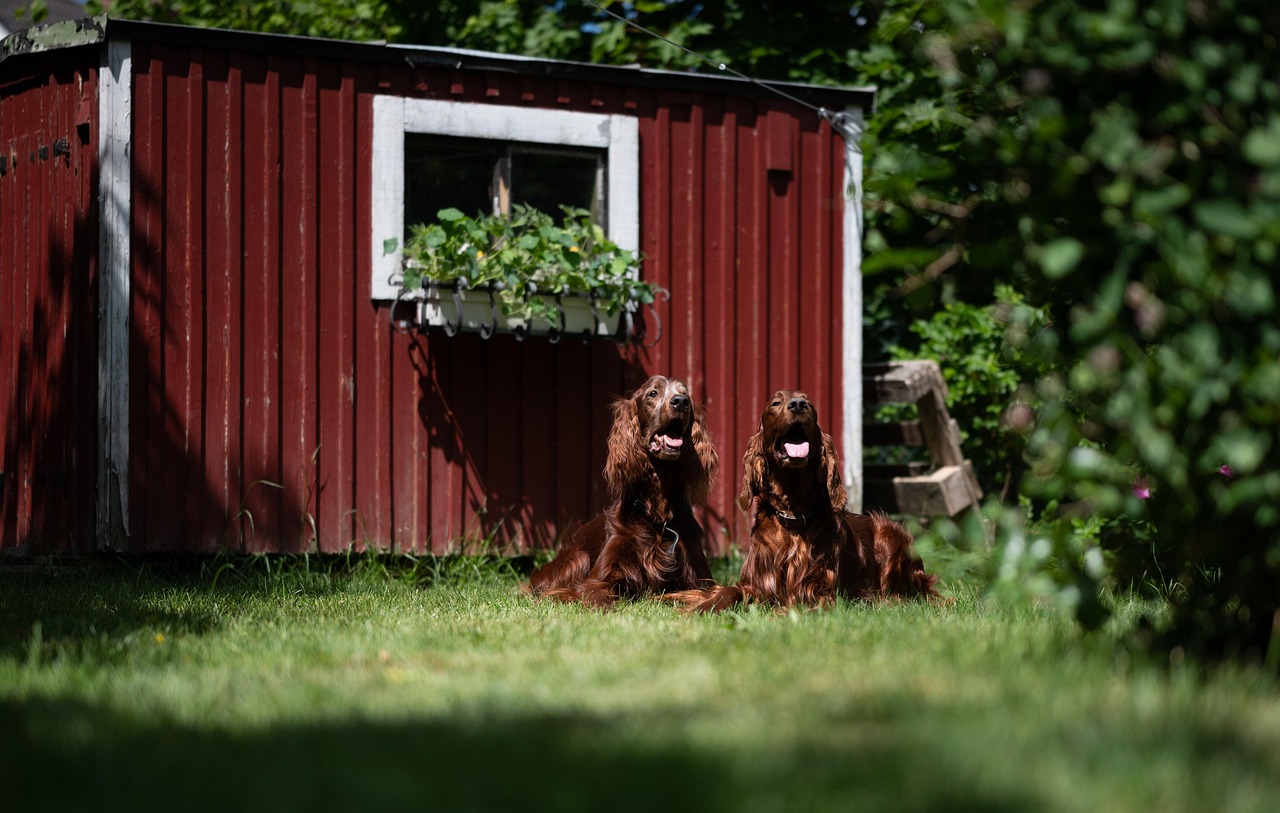
When pets don't get enough play, you see it. Dogs get restless and start self-entertaining in ways you won't enjoy - destructive chewing, excessive barking, obsessive pacing. Cats develop what looks like anxiety or aggression: over-grooming, midnight zoomies, swatting at you with more than playful intent. Neither is a character flaw. Both are signs of unmet need.
Play covers several things at once. It burns physical energy, which reduces the fidgety edge that makes animals harder to live with. It taxes the brain, which is often more tiring than a walk - a dog who spent twenty minutes doing a scent game is genuinely calmer than one who just ran laps. It also releases stress and builds trust between you and your pet, which is what makes them easier to manage in every other part of life.
Weight is part of this too. An inactive pet is a pet trending toward obesity, and the downstream health costs of that are real - joint problems, organ stress, shortened life. Consistent play is one of the simplest things you can do to protect your animal's long-term health. It doesn't need to be elaborate. It needs to happen.
Games for Dogs: From Couch to Backyard

Hide and Seek with Treats
Put your dog in a sit-stay or have someone hold them, then hide a handful of treats around the room - under a chair cushion edge, beside a plant pot, in the corner. Release them with "find it." Watch them work their nose.
This one targets problem-solving and taps into the same scent-driven instinct that makes dogs so good at tracking. It suits any age or energy level. Senior dogs who can't run much anymore will work a scent game with the same focus as a puppy. The only setup is hiding treats, and the only limit is how creative you get with the hiding spots.
Tug of War
Grab a rope toy and let your dog pull against you. Keep it controlled - you set the rules, you decide when it ends - and teach an "out" or "drop it" cue so you can stop the game cleanly.
Tug is good for high-energy dogs who need to physically discharge. The myth that tug makes dogs dominant or aggressive is not supported by the evidence - what matters is that you stay in control of the game and can end it. For anxious dogs, tug can actually build confidence because they're winning something alongside you, not against you.
The Which Hand Game
Hold a small treat in one closed fist, hold out both fists, and let your dog sniff and nudge to guess which hand it's in. When they touch the right one, open it. No equipment, no setup, works on any surface. It's a quiet game for dogs who need mental work without physical demand.
Fetch Variations
Standard fetch is fine, but it gets more interesting when you add a twist. Throw two toys instead of one and call your dog back before they can pick up the second - it builds recall practice into the game. Or throw short and low to make your dog work for the pickup rather than just sprint and return. High-energy, ball-obsessed dogs will play fetch until they collapse, so watch the panting and don't let enthusiasm push them past their limit.
Games for Cats: Tapping Into Their Hunting Instincts
Wand Toy Chase
Drag a feather or fabric wand toy across the floor in short, unpredictable bursts. Move it like prey moves - twitch it, pause it, let it disappear under a blanket edge. The irregularity is the whole point. A toy moving in a straight line at constant speed stops being interesting almost immediately.
Cats engage in stages: stalk, chase, pounce, catch, kill. A good wand session lets them run through the full sequence. End the game by letting them actually catch the toy a few times rather than always pulling it away - an unsatisfying hunt that ends in zero catches can leave cats more wound up than when you started.
Paper Ball Batting
Crumple a piece of paper into a rough ball and toss it across a hard floor. Some cats go completely indifferent. Others will bat it under furniture for twenty minutes and then look at you like you should retrieve it. Free to try, free to abandon if your cat is unimpressed.
Box Ambush
Leave an open box on the floor and drag a toy past the entrance. Most cats cannot resist using a box as a hunting hide. This one works well for cats who prefer to initiate play rather than be chased - they get to set the terms, which suits certain personalities much better.
Low-Energy Puzzle Play for Older Cats
A muffin tin with kibble pressed into the cups - covered loosely with tennis balls or crumpled foil squares - makes a basic puzzle that requires nose and paw work but no sprinting. Cats with arthritis or mobility issues can engage their brain without being asked to leap or run. Keep sessions short regardless; most cats have a 5 to 10 minute window of genuine active interest before they disengage, and forcing longer sessions past that point doesn't benefit anyone.
Games You Can Play Indoors (No Yard Required)
If you're in an apartment or a small house, most of the games above already apply. A few specific approaches are worth calling out for tight spaces.
Puzzle feeders replace a food bowl with a problem. Your dog or cat pushes pieces, lifts flaps, or nudges sliding panels to release kibble. They work in any space, create no noise, and leave the animal genuinely tired in a way that free-feeding never does. A dog who works through a puzzle feeder at breakfast is noticeably calmer by mid-morning.
Indoor fetch with a soft toy rather than a hard ball cuts the risk of something getting knocked over - though be honest with yourself about your dog's size relative to your living room. A Labrador playing indoor fetch with real enthusiasm might still take out a lamp. If that's your situation, stick to corridor-length throws or roll the toy rather than throwing it.
Scent games work particularly well indoors because the smells are concentrated. Hide a worn item of clothing or a specific treat under one of three cups and ask your dog to find it. This is mentally demanding without requiring any running at all - a useful option for rainy days, post-surgery recovery, or days when you just don't have the space or energy for physical play.
Games That Build Obedience and Bonding
Catch Me (Recall Practice in Disguise)
Run a few steps away from your dog, call their name in a high, excited voice, and reward them with a treat and enthusiastic praise the moment they reach you. Do it again. And again. This is recall training, but the dog doesn't experience it that way - they experience it as a game where chasing you reliably ends in something good.
Formal recall drills feel like work. This feels like play. The result is the same: a dog who comes when called, fast, because coming to you has been repeatedly paired with something worth running for.
Name That Toy
This is a longer-term project, but you can start it today. Hold up one specific toy - say a ball - and say its name clearly before tossing it. Every time you toss that toy, name it first. Over days and weeks, ask your dog to "get the ball" from a small group of toys. Dogs can learn to distinguish named objects, which adds a real mental challenge and turns tidying up into a game.
Simon Says-Style Cue Chaining
Run through a quick sequence of cues your dog already knows - sit, down, spin, sit, stay - varying the order each time so it requires attention rather than pattern memorization. Keep the treat coming for correct responses and keep the pace quick enough that the dog is working to keep up. It reads like a training session but feels, to the dog, like an active conversation where they're getting things right.
Play-based training like this keeps your pet engaged longer than static drills because the unpredictability holds their attention. The payoff is a more responsive animal in everyday situations - a dog who listens better, a cat who's more comfortable with handling - because the practice is built into something enjoyable.
How to Know If Your Pet Is Having Fun (and When to Stop)
For dogs: a loose, wiggly body and a soft, open mouth mean a dog who is genuinely enjoying themselves. A play bow - front end down, rear end up - is an active invitation to keep going. These are good signs. A stiff body, tucked tail, flattened ears, or hard stare mean the dog is done, uncomfortable, or overstimulated. Stop the game.
One of the most common mistakes is pushing play past the point where the dog is actually having fun. Dogs will keep fetching the ball when they're exhausted because the habit is strong and they're trying to stay connected to you. Heavy panting, slowing pace, or lying down mid-game are signals to stop - not to coax one more throw.
For cats: relaxed ears, slow blinks, and a twitching tail during the hunt phase are engagement signals. A lashing tail, flattened ears, or a swat without warning mean overstimulation. Some cats flip from playing to aggressive in a breath, especially if the play has been going on too long. End the session before you see those signals, not after.
If rough play - with a dog especially - starts producing hard nipping or escalating arousal, pause the game entirely. Walk away, wait a moment, then offer a different, calmer activity. Don't punish the dog for getting wound up; that's what high-arousal play does. Redirect instead.
Quick Games for Busy Days (5 to 10 Minutes)
Not every day has a thirty-minute play session in it. That's real life. A short burst of genuine engagement is still worth doing.
Five minutes of rapid-fire cue practice - treat rewards, quick pace, varied commands - interrupts boredom and satisfies the need for interaction without requiring much from you. A quick round of the which-hand game. A single puzzle feeder at mealtime. A two-minute wand toy session that ends with your cat catching the toy and carrying it off triumphantly.
These short sessions won't replace longer play on days when that's possible. But they keep the relationship active, interrupt the restless edge that builds up when animals have been alone or inactive, and remind your pet that you're a reliable source of good things. That matters, even when life is busy.
The goal isn't perfection. It's consistency. A short game today is better than nothing today, and nothing today is fine as long as it isn't nothing most days. Keep the baseline up and adjust from there.
Frequently Asked Questions
What are the best games to play with your pet at home when you have a small space?
Scent games, puzzle feeders, and the which-hand treat game all work in apartments or small rooms with no running required. For cats, a wand toy dragged along a hallway or the length of a living room is enough space. The key is mental engagement over physical distance - a dog working a puzzle feeder for ten minutes is often more tired afterward than one who jogged around a small yard.
How long should I play with my cat each day?
Most cats do best with two to three short sessions per day rather than one long one. Active hunting-style play - wand toys, chase games - holds attention for roughly 5 to 10 minutes before cats disengage. End sessions while your cat is still interested rather than playing until they walk away or become overstimulated. Letting them catch the toy at the end of each session helps them feel satisfied rather than frustrated.
Can play actually help with my dog's behavioral problems?
Yes, in many cases. Behavioral issues like destructive chewing, excessive barking, and restlessness are frequently linked to insufficient mental and physical stimulation. Adding structured daily play - especially mentally demanding games like scent work or puzzle feeders - can reduce these behaviors significantly over a few weeks. That said, if a behavior is severe or has other triggers, a vet or qualified trainer should be involved alongside any play adjustments.
Is tug of war bad for dogs?
No - the old belief that tug makes dogs dominant or aggressive is not supported by evidence. Tug is a healthy, physically engaging game that many dogs love. What matters is that you set the rules: teach a reliable "drop it" or "out" cue so you can end the game on your terms, and stop if the dog becomes too aroused or starts nipping. Used with those guardrails, tug